
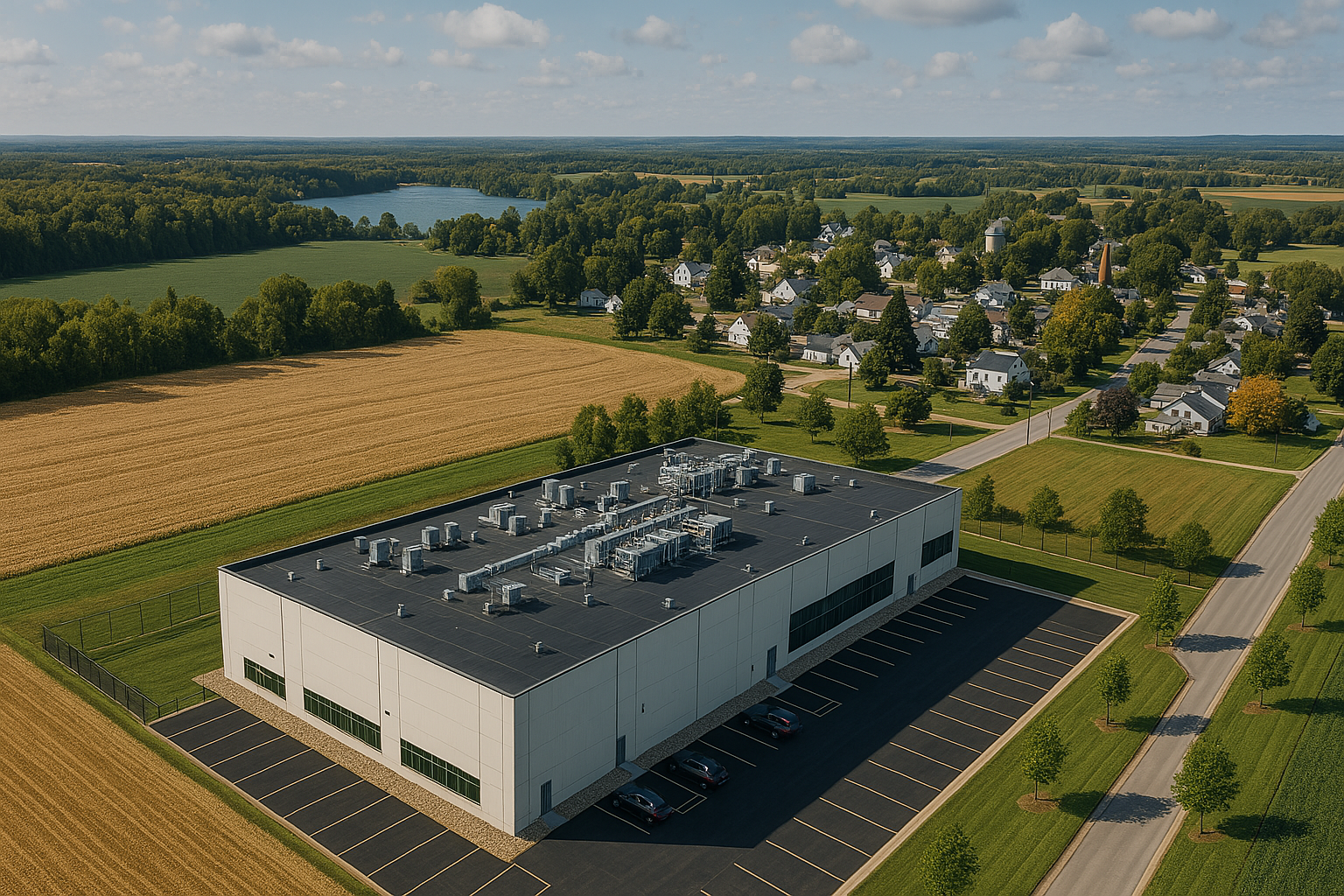
In a world dominated by hyperscale data centers with their sprawling campuses and megawatts of power, it’s easy to assume “bigger is better.” But for many organizations—especially those outside the Fortune 500—that assumption can lead to missed opportunities, hidden costs, and underwhelming support.
Here’s the reality: if you’re not one of the Gorillas, you’re probably not getting much love in a hyperscale jungle.
That’s where smaller, regional data centers come in—and where the smart money is starting to move. Let me share why:
You’re Not Just a Ticket Number
When you collocate in a hyperscale environment, your requests often get funneled through layers of bureaucracy. Need a custom power configuration? A change to your cage layout? Need a fast response?
Unless you’re one of those Wall Street behemoths with server rooms bigger than several of your offices, prepare to wait. And when you finally call, you’ll get a different rep each time who’s never heard of your issue before—forcing you to explain your entire saga from scratch while they stare blankly at their fancy CRM and then say, “Sir, have you tried restarting your computer….”
Smaller regional data centers are built differently. Relationships matter. You get actual humans, local engineers, and responsive service from people who know your name and understand your business needs. That kind of flexibility can be the difference between staying online—or shutting down your production line.
More Configurable, More Nimble
One size doesn’t fit all. Maybe you’ve got a mix of older servers and a few new high-density racks. Maybe your backup systems need to stay close by, not out in another state or time zone.
Smaller data centers can often accommodate these hybrid setups far more easily—without forcing you into rigid configurations or long-term commitments.
Your Data Stays Local (And Compliant)
If you’re in manufacturing, agriculture, or logistics, chances are your business runs on more data than it used to. From process automation to inventory control to compliance systems—you need that data nearby and protected.
Keeping it in-state not only helps with legal and regulatory peace of mind, it keeps you more resilient when the unexpected hits. No guessing where your backups are. No wondering if your provider’s latest “update” is going to affect your uptime.
They Speak Your Language
When you call a regional data center, you’re not talking to someone in another country or on the other side of a massive corporation. You’re talking to folks who live in the same state, drive the same roads, and understand what matters to your business.
They know what a harvest season means. They’ve worked through winter storms and power outages. They know what it means when your CNC machines can’t run or your shipments don’t go out on time.
You won’t have to translate your reality—they already live it.
Support Your Local Economy
Choosing a regional provider means your IT dollars stay in the community. You’re supporting jobs, local investment, and infrastructure growth right here at home. It’s good business—and good for the communities your employees live and work in.
Better Access, Better Security
Smaller doesn’t mean less secure. In fact, Tier 3 facilities in regional locations often offer better access controls, physical security, and redundancy than many people expect. And because you’re not one of thousands competing for bandwidth, power, or parking, things just work better.
Big Enough to Deliver. Small Enough to Care.
If you value reliable infrastructure, plainspoken support, and knowing exactly where your data lives, it might be time to look beyond the hyperscale giants. In today’s world of high demand and limited availability, being a big fish in a smaller pond could be your smartest move yet.
Let’s bring the human side back to infrastructure. Let’s talk local.